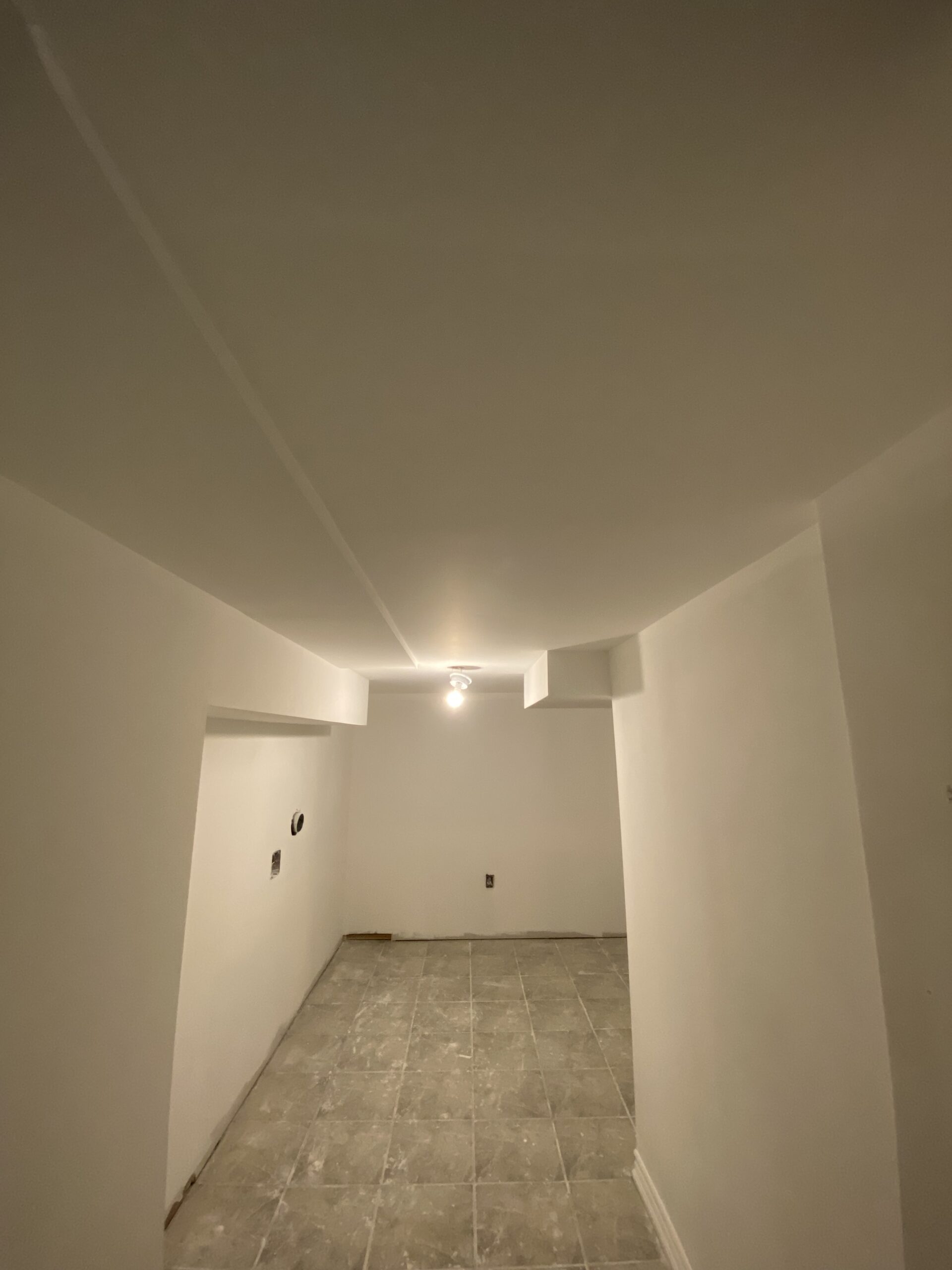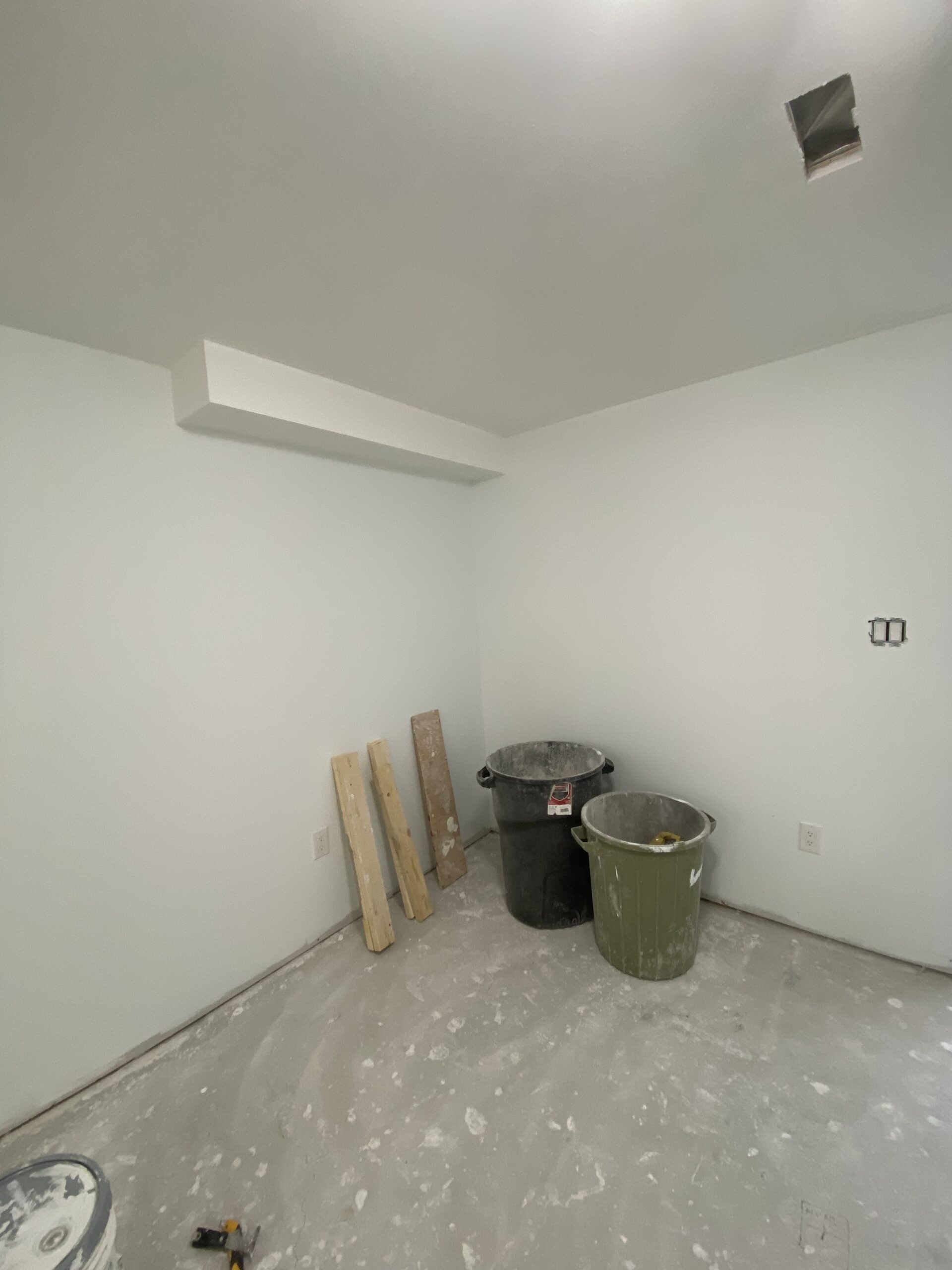
How Much Does Drywall Installation Cost in Ontario in 2026?
Planning a home renovation or basement finishing project? Understanding the drywall installation cost in Ontario can help you prepare your budget and avoid unexpected expenses. Whether you need drywall installed in a new room, want to finish your basement, or need to replace damaged walls and ceilings, the total price depends on the materials, labour, surface area and finishing quality.
In this guide, we explain typical drywall installation prices in Ontario in 2026, including drywall hanging, taping, mudding, sanding and finishing. We also cover the factors that affect your estimate and how to plan your project.
Average Drywall Installation Cost in Ontario in 2026
In Ontario, a reasonable planning range for complete drywall installation is approximately $3–$5.50 per square foot of drywall surface, including standard materials, hanging, taping and finishing.
The actual price can be lower or higher depending on the project. Labour-only installation, specialty drywall, ceilings, difficult access and premium finishing can all change the final estimate.
Here are some indicative planning ranges:
| Type of drywall work | Estimated cost |
|---|---|
| Hanging drywall only | $1.00–$1.75 per sq. ft. |
| Hanging, taping and finishing | $2.50–$4.50 per sq. ft. |
| Complete installation with materials | $3.00–$5.50 per sq. ft. |
| Premium Level 5 finishing | Additional cost |
| Small drywall repairs | Usually quoted per job |
Important: These are general 2026 planning estimates, not guaranteed prices or a formal price list. Prices vary by contractor, location, project size and job conditions. Confirm the exact scope and whether HST is included when comparing estimates.
Is Drywall Priced by Floor Area or Wall Area?
This is one of the most important things homeowners should understand.
Drywall contractors generally calculate prices using the surface area of the walls and ceilings being covered, not simply the floor area of the room.
For example, a room measuring 12 ft × 12 ft with 8 ft ceilings has:
- Floor area: 144 sq. ft.
- Four walls: approximately 384 sq. ft.
- Ceiling: 144 sq. ft.
- Total wall and ceiling surface: approximately 528 sq. ft., before subtracting openings.
That means a 144-square-foot room may require more than 500 square feet of drywall coverage.
Always ask whether a contractor’s price is based on drywall surface area or floor area.
What Is Included in Drywall Installation?
A complete drywall installation project usually involves several stages.
1. Measuring and Preparing the Area
Before installation begins, the contractor measures the walls and ceilings, checks the framing and confirms that the surfaces are ready for drywall.
Any damaged studs, uneven framing or necessary corrections should be identified before the boards are installed.
2. Drywall Hanging
Drywall sheets are measured, cut and secured to the wall studs or ceiling framing using appropriate fasteners.
The most common residential drywall thickness is 1/2 inch, although 5/8-inch and specialty boards may be required for particular applications.
For additional information about gypsum board products and installation practices, visit the Gypsum Association.
Ceilings, stairways and larger rooms may require additional labour or equipment.
3. Taping and Mudding
After hanging, drywall joints are covered with joint tape and joint compound.
This process normally involves several coats:
- First coat: Covering the tape and joints.
- Second coat: Building up and smoothing the joints.
- Final coat: Feathering the edges to create a smooth surface.
Proper taping and mudding are essential for a professional-looking result.
4. Sanding and Finishing
Once the joint compound has dried, the surface is sanded to remove imperfections.
The finished drywall should be smooth and ready for primer. Good preparation at this stage makes a significant difference to the final paint finish.
What Factors Affect Drywall Installation Cost in Ontario?
Several factors can increase or decrease the cost of a drywall project.
1. Size of the Project
Larger projects may have a lower cost per square foot because contractors can work more efficiently across a bigger area.
Small projects may have a minimum labour or service charge.
2. Type of Drywall
Different projects require different drywall materials.
Common options include:
- Regular drywall for standard interior walls and ceilings.
- Moisture-resistant drywall for suitable moisture-prone areas.
- Type X fire-resistant gypsum board for applications where fire-rated assemblies are required.
- Sound-resistant drywall for certain sound-control applications.
The correct material depends on the location and building requirements. Moisture-resistant drywall is not a substitute for proper waterproofing.
For specific construction and fire-safety requirements, homeowners should consult the Ontario Building Code.
3. Ceiling Height and Accessibility
Standard 8-foot ceilings are generally easier to work on than higher ceilings.
Vaulted ceilings, stairways, bulkheads and difficult access can require extra labour, ladders, scaffolding or a drywall lift.
4. Finishing Quality
The required finish level also affects the price.
- Level 3: Generally used where a heavier texture or additional covering will be applied.
- Level 4: Commonly used for standard painted residential walls and ceilings.
- Level 5: Includes a skim coat over the entire surface for a more uniform finish in critical lighting conditions or under certain paint finishes.
Most ordinary residential painting projects use a Level 4 finish. Level 5 may be worth considering where strong natural light or lighting fixtures could highlight surface imperfections.
5. Removing Old Drywall
If the project involves removing existing drywall, additional work may be required for:
- Demolition and removal.
- Waste disposal.
- Protecting floors and furniture.
- Inspecting the framing.
- Replacing damaged insulation or vapour-control materials where required.
These services should be clearly identified in the estimate.
How Much Does Basement Drywall Installation Cost?
Basement drywall projects can involve more preparation than ordinary room renovations.
Before installing drywall, homeowners should make sure that the basement is suitable for finishing. Moisture problems, foundation leaks and damaged insulation should be addressed first.
Basement drywall costs can vary depending on:
- Total wall and ceiling surface area.
- Number of rooms and partitions.
- Ceiling height.
- Bulkheads and ductwork.
- Insulation and vapour-control requirements.
- Fire and sound separation requirements.
- Number of corners, openings and doors.
If you are finishing a basement apartment or secondary suite, additional Ontario Building Code requirements may apply. Fire separations, smoke-tight barriers and other construction details must be considered where required.
For this reason, it is important to confirm the approved plans and applicable requirements before closing walls and ceilings.
How Much Does Drywall Repair Cost?
Not every drywall project requires a complete installation.
Homeowners may only need a small repair after plumbing work, electrical work, accidental damage or a minor water leak.
Common drywall repair jobs include:
- Small holes and dents.
- Cracks around corners and joints.
- Damaged drywall around doors and windows.
- Ceiling damage.
- Patches after plumbing or electrical work.
- Replacing damaged sections of wall.
The cost depends on the size of the damaged area, the number of coats required, drying time, texture matching and whether primer and painting are included.
Before repairing water-damaged drywall, identify and correct the source of the moisture. Covering a damp or damaged area without fixing the problem can lead to further repairs.
How to Save Money on Drywall Installation
Here are some practical ways to manage your drywall renovation budget.
- Plan the project before work begins: Finalize room layouts and electrical and plumbing locations before closing the walls.
- Compare written estimates: Ask contractors to specify materials, labour, finishing and cleanup.
- Choose the correct finish level: A standard Level 4 finish is suitable for many residential spaces.
- Prepare the work area: Clear furniture and personal belongings where possible.
- Combine related work: Completing several rooms together may improve overall project efficiency.
- Avoid choosing a contractor based only on the lowest price: Poor taping and finishing can lead to additional sanding, repairs and repainting.
Should You Hire a Professional Drywall Installer?
Drywall installation may look straightforward, but a good result requires proper measuring, cutting, fastening, taping, mudding and sanding.
Professional installation can help homeowners avoid common problems such as:
- Visible drywall joints.
- Uneven corners.
- Screw pops.
- Cracks along seams.
- Rough sanding marks.
- Uneven surfaces under paint.
A properly finished surface can make the entire room look cleaner and more professional.
Frequently Asked Questions About Drywall Installation in Ontario
How much does drywall installation cost per square foot in Ontario in 2026?
A general planning range for complete drywall installation is approximately $3–$5.50 per square foot of wall and ceiling surface, including standard materials, hanging and finishing. The final price depends on the project.
How much does it cost to hang drywall only?
Hanging-only labour may cost approximately $1.00–$1.75 per square foot of drywall surface. This does not normally include taping, mudding, sanding or painting.
How much does drywall taping and mudding cost?
Taping and finishing prices vary depending on the number of joints, corners, coats and required finish level. Ask whether the estimate includes sanding and whether the finished surface will be ready for primer.
How long does drywall installation take?
The timeline depends on the project size, number of workers, room conditions and drying time. A small room may take several working days to hang and finish, while a full basement can take considerably longer.
Do I need a building permit for drywall work in Ontario?
Permit requirements depend on the full scope of the renovation. Simple cosmetic work may be treated differently from renovations involving structural changes, a change of use or a secondary suite. Contact your local municipal building department before starting work if you are unsure.
You can also review the Government of Ontario’s guide to building permit requirements in Ontario.
Final Thoughts: Plan Your Drywall Installation Budget Carefully
Understanding the drywall installation cost in Ontario helps you make better renovation decisions and prepare for the work ahead.
Whether you are installing drywall in one bedroom, repairing a damaged ceiling or completing a basement renovation, make sure your estimate clearly explains the materials, labour, finishing quality and cleanup.
A smooth, properly finished wall is an important part of any successful home renovation.
Need Help With Drywall Installation or Repair in Mississauga?
If you are planning a drywall project in Mississauga or the surrounding GTA, contact Handyman in Mississauga to discuss your project.
We can help with drywall installation, drywall repairs, taping, mudding, sanding and painting preparation.
Contact us today to discuss your drywall project and request an estimate.
Check our full Services list:
House Renovation
Kitchen Renovation
Bathroom Renovation
Basement Renovation
Demolition Services
Framing Services
Electrical Services
Minor HVAC Maintenance Services
Insulation Services
Drywall Installation & Repair Services
Painting Services
Flooring Services
Tiling Services
General Repairs Services
Carpentry Services
Assembly Services
Pressure Washing Services
Light Fixture Installation Services
Appliance Installation Services
Babyproofing Services
Deck Repair Services
Hanging Pictures Services
Shelves Installation Services
Door Repair Services
House Decorations Services
Window Covering Services
Check out our other Pages:
HOME
ABOUT
BLOG
CONTACT
GET STARTED
PRIVACY POLICY
SERVICES
HANDYMAN SERVICES
RENOVATION SERVICES