How Much Does Water Heater Replacement Cost in Ontario in 2026?
The water heater replacement cost in Ontario depends on the type of water heater, tank capacity, fuel source, installation requirements and condition of the existing plumbing and venting. Whether you are replacing an old hot water tank or upgrading to a tankless system, understanding the costs can help you prepare a realistic budget.
A reliable water heater is essential for everyday activities such as showering, washing dishes and doing laundry. When your existing unit starts leaking, producing insufficient hot water or showing signs of age, replacement may become necessary.
In this guide, we explain approximate 2026 water heater replacement prices, compare different systems, discuss rental versus purchase options and share practical tips for Ontario homeowners.
All prices are approximate planning estimates in Canadian dollars. Actual contractor quotes vary by equipment, location, labour, installation complexity and additional work. Confirm whether HST, old-unit removal and disposal are included.
1. Average Water Heater Replacement Cost in Ontario in 2026
The cost of replacing a water heater depends mainly on the type of system you choose.
Here are approximate installed price ranges:
| Water heater type | Estimated installed cost |
|---|---|
| Electric storage tank | $1,000–$2,500 |
| Natural gas storage tank | $1,500–$3,500 |
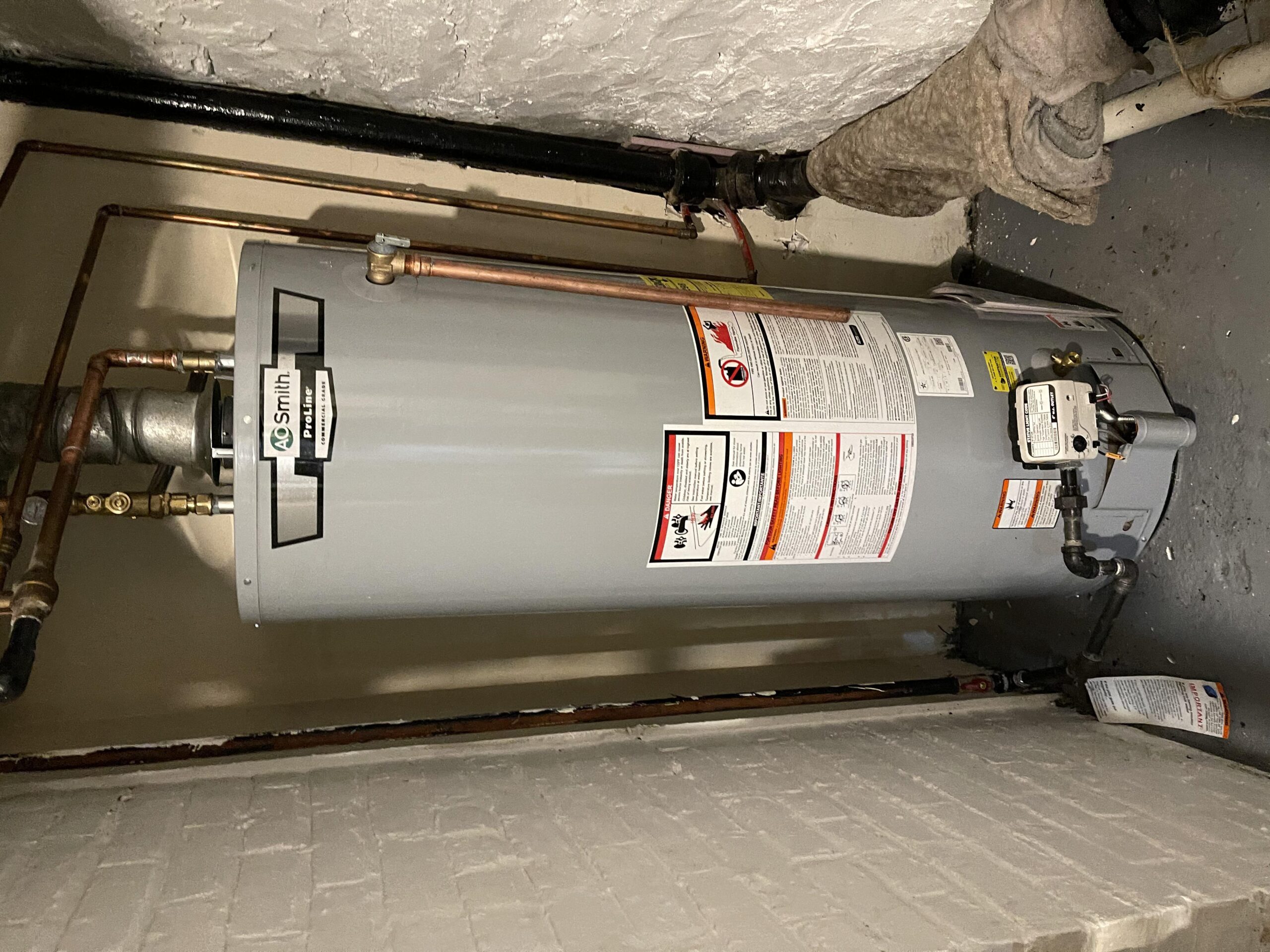
| Power-vent gas tank | $1,700–$3,500 |
| Gas tankless water heater | $3,500–$6,500 |
| Heat pump water heater | $3,500–$6,000+ |
These figures are general planning ranges, not guaranteed prices. A straightforward replacement using compatible connections may cost less than a project requiring new venting, gas piping or electrical upgrades.
HomeStars – Hot Water Tank Replacement Cost
The water heater replacement cost in Ontario can also vary between cities and contractors. Homes in Mississauga and the GTA may have different installation requirements depending on the age and layout of the property.
2. How Much Does It Cost to Replace a Hot Water Tank?
Traditional storage-tank water heaters are common in Ontario homes.
They heat and store a quantity of water so it is available when needed.
Typical residential tank capacities include:
- 40 gallons
- 50 gallons
- 60 gallons
- 75 gallons
A standard 40- or 50-gallon tank may be suitable for many households, but the correct size depends on the number of occupants and hot-water usage.
Here are approximate budgets:
| Tank type | Estimated installed cost |
|---|---|
| Small electric tank | $1,000–$1,800 |
| Standard electric tank | $1,200–$2,500 |
| Standard gas tank | $1,500–$2,900 |
| Power-vent gas tank | $1,700–$3,500 |
| Larger-capacity tank | $2,500–$4,000+ |
A like-for-like replacement may be more straightforward when the existing tank, connections and venting are compatible.
3. Different Types of Water Heaters
Choosing the right water heater can affect both the installation budget and long-term operating costs.
Enercare – 2026 Water Heater Buyer’s Guide
Electric Storage Tank
Electric water heaters use heating elements to heat water stored inside an insulated tank.
Advantages:
- Generally straightforward installation when replacing an existing electric unit
- No natural gas connection required
- Available in different capacities
- Suitable for homes without gas service
However, electricity costs and the home’s electrical setup should be considered.
Natural Gas Storage Tank
Natural gas water heaters use a burner to heat stored water.
Advantages:
- Familiar technology for many Ontario homes
- Available in different tank sizes
- Can provide substantial hot-water capacity
- May have lower operating costs than conventional electric resistance tanks, depending on local energy rates
Gas units require suitable gas connections and safe exhaust venting.
Tankless Water Heater
Tankless systems heat water when it is needed instead of storing a large quantity in a tank.
Advantages:
- Compact wall-mounted design
- No large storage tank
- Hot water is produced on demand
- May offer energy-efficiency advantages in suitable homes
However, a tankless conversion can require additional work, such as gas-line upgrades, new venting, condensate drainage or electrical changes.
Heat Pump Water Heater
Heat pump water heaters use heat from the surrounding air to heat water.
Advantages:
- Can use less electricity than conventional electric resistance tanks
- May reduce water-heating energy consumption
- Useful for homeowners interested in energy efficiency
They generally cost more upfront and require suitable space, airflow, drainage and installation conditions.
When comparing the water heater replacement cost in Ontario, consider the purchase price, installation requirements and expected operating expenses together.
4. Tank vs. Tankless Water Heater: Which Is Better?
Both systems can work well, but they serve different household needs.
| Feature | Storage tank | Tankless |
|---|---|---|
| Initial cost | Generally lower | Generally higher |
| Hot-water storage | Yes | No |
| Space required | Larger floor space | Compact wall-mounted unit |
| Hot-water supply | Limited by tank capacity and recovery | Limited by unit capacity and flow rate |
| Installation | Often simpler for like-for-like replacement | May require upgrades |
| Maintenance | Periodic inspection and maintenance | Periodic maintenance and descaling where required |
Choose a Storage Tank If:
- You want a lower initial replacement cost.
- Your existing plumbing and venting are compatible.
- Your household’s hot-water usage suits a storage system.
- You prefer a familiar system.
Consider Tankless If:
- You want to save mechanical-room space.
- You have suitable gas or electrical capacity.
- Your household may benefit from on-demand hot water.
- You are comfortable with a higher initial investment.
The best option depends on your home, household size, budget and hot-water requirements.
5. What Factors Affect Water Heater Replacement Cost?
Several factors can change the final installation price.
Tank Capacity
Larger tanks generally cost more than smaller models. The correct capacity should match your household’s hot-water demand.
Fuel Type
Electric, natural gas and other systems have different equipment and installation requirements.
Venting Requirements
Gas water heaters require appropriate exhaust venting. Changing from one venting arrangement to another may increase the cost.
Gas Line Upgrades
A tankless system may require a larger gas supply line to meet its heating capacity.
Electrical Requirements
Some water heater installations may require electrical changes, particularly when changing system type.
Plumbing Changes
New valves, connections, expansion tanks or other plumbing components may be needed depending on the existing setup and applicable requirements.
Removal of the Old Unit
Removing and disposing of an existing water heater may be included in the contractor’s quote or charged separately.
These factors explain why the water heater replacement cost in Ontario can differ significantly between homes.
6. Additional Costs to Consider
Before accepting an estimate, ask whether the following items are included:
| Additional work | Approximate planning cost |
|---|---|
| Old unit removal and disposal | $100–$250 |
| Gas-line modifications | $400–$1,200+ |
| Venting modifications | $300–$1,000+ |
| Plumbing changes | Depends on scope |
| Electrical upgrades | Depends on scope |
| Drainage or condensate work | Depends on system |
| Rental equipment buyout | Depends on rental agreement |
These are illustrative allowances, not fixed service prices. Some work may already be included in an installation package.
A detailed written quote helps you understand the complete project cost.
7. Should You Rent or Buy a Water Heater in Ontario?
Many Ontario homeowners have rented water heaters through utility providers or equipment rental companies.
Both rental and purchase options have advantages.
Renting a Water Heater
Potential benefits:
- Lower initial payment
- Maintenance or repair coverage under some agreements
- Replacement support according to contract terms
- No need to purchase the equipment outright
However, rental agreements may involve monthly charges, contract conditions and buyout fees.
Buying a Water Heater
Potential benefits:
- You own the equipment.
- No ongoing equipment rental payment.
- You can compare different brands and models.
- You can select your preferred installation contractor.
However, you are generally responsible for maintenance and repair costs outside applicable warranties.
Which Option Is Cheaper?
Buying may cost more initially, while renting spreads the expense over monthly payments.
For example, a rental payment of $35 per month adds up to $420 per year and $4,200 over ten years, before considering any price changes or contract conditions.
Before making a decision, compare:
- Total rental payments
- Purchase and installation price
- Rental contract length
- Early termination or buyout terms
- Maintenance coverage
- Equipment warranty
If you already rent a water heater, request the written buyout amount and contract conditions before deciding to replace or purchase a different unit.
8. Signs Your Water Heater Needs Replacement
A water heater does not necessarily need replacement just because it is old. However, certain warning signs indicate that it should be inspected.
Water Around the Tank
Water pooling around the base may indicate a leak, connection problem or tank failure.
If the tank itself is leaking, replacement may be necessary.
Insufficient Hot Water
If hot water runs out quickly or the water does not reach the expected temperature, the heating elements, thermostat or tank capacity may be responsible.
Rust-Coloured Water
Discoloured hot water may indicate corrosion in the tank or plumbing system. A qualified professional can identify the source.
Unusual Noises
Popping, rumbling or banging noises can indicate sediment buildup or other equipment problems.
Frequent Repairs
If your water heater requires repeated repairs, replacement may be worth considering.
Older Equipment
Many conventional storage water heaters have an expected service life around 8–12 years, although actual life varies by model, water quality, maintenance and installation conditions.
Have an older unit inspected rather than relying on age alone.
9. How to Reduce Water Heater Operating Costs
The purchase price is only one part of owning a water heater. Energy consumption also affects household expenses.
Consider these practical steps:
- Choose an appropriately sized system for your household.
- Compare energy-efficiency ratings before purchasing.
- Repair dripping hot-water taps and plumbing leaks.
- Follow the manufacturer’s maintenance instructions.
- Have the system inspected when performance changes.
- Avoid unnecessary hot-water use.
- Consider an energy-efficient model when replacement is due.
Do not adjust safety controls or water-heater temperature settings without understanding the manufacturer’s instructions and household safety requirements.
10. Water Heater Installation Safety in Ontario
Water heaters involve plumbing, electricity and, in some cases, natural gas or propane.
Installation should be completed by appropriately qualified professionals.
For natural gas or propane work, Ontario homeowners should verify that the business is registered with the Technical Standards and Safety Authority (TSSA).
You can check registered contractors here:
TSSA – Authorized Heating Fuel Contractors
TSSA explains that registered fuels contractors are legally authorized to perform fuel-related work in Ontario.
For electrical work, use an appropriately Licensed Electrical Contractor.
You can learn more from the Electrical Safety Authority:
ESA – Who Can Do Electrical Work at My Property?
Do not attempt to install or modify gas connections, combustion venting or electrical circuits yourself unless you are legally qualified and authorized to do the work.
11. How to Choose a Water Heater Installation Contractor
Before hiring a contractor, compare more than the equipment price.
Ask these questions:
- What brand and model will be installed?
- What is the tank capacity?
- Is the system gas, electric or tankless?
- Is removal of the existing unit included?
- Are plumbing and venting modifications included?
- Are permits or required notifications included where applicable?
- What manufacturer warranty is provided?
- What workmanship warranty is provided?
- Is the contractor properly registered or licensed for the work?
- What is the expected installation schedule?
Request at least two or three written estimates when possible.
A detailed estimate makes it easier to compare the complete water heater replacement cost in Ontario rather than comparing equipment prices alone.
12. Frequently Asked Questions
How much does it cost to replace a water heater in Ontario in 2026?
A standard electric or gas storage tank may cost approximately $1,000–$3,500 installed. A gas tankless system may cost approximately $3,500–$6,500. The final price depends on the equipment and installation requirements.
How long does a water heater last?
Many conventional storage tanks last approximately 8–12 years, but lifespan depends on water quality, maintenance, usage and installation.
Is a tankless water heater worth the extra cost?
It may be worthwhile for homeowners who want a compact system and have suitable gas or electrical infrastructure. However, the higher initial installation cost should be compared with expected energy use and maintenance.
Is it better to rent or buy a water heater?
Buying provides ownership and avoids monthly rental payments. Renting may provide service coverage and lower initial costs. Compare the full contract and long-term expenses before deciding.
Can I replace a gas water heater myself?
Gas water heater installation involves regulated fuel-related work. Use an appropriately registered fuels contractor in Ontario.
How long does water heater replacement take?
A straightforward like-for-like replacement may be completed in a few hours. Projects requiring gas-line, venting, plumbing or electrical modifications can take longer.
Should I repair or replace my old water heater?
If the problem is minor and the equipment is relatively new, repair may be practical. If the tank is leaking, the unit is approaching the end of its expected service life or repairs are frequent, replacement may be a better long-term decision.
Final Thoughts
Understanding the water heater replacement cost in Ontario helps homeowners compare equipment, installation options and long-term expenses.
Before selecting a new system, consider your household’s hot-water needs, fuel type, available space, installation requirements and warranty coverage.
Whether you choose a traditional storage tank, tankless unit or heat pump water heater, professional installation and regular maintenance are important for reliable performance.
If you are planning other home improvement projects, explore our guides about basement renovation costs, attic insulation costs, window replacement costs and roof replacement costs.
For home improvement assistance in Mississauga and the GTA, visit our Services page or contact us to discuss your project.
Check our full Services list:
House Renovation
Kitchen Renovation
Bathroom Renovation
Basement Renovation
Demolition Services
Framing Services
Electrical Services
Minor HVAC Maintenance Services
Insulation Services
Drywall Installation & Repair Services
Painting Services
Flooring Services
Tiling Services
General Repairs Services
Carpentry Services
Assembly Services
Pressure Washing Services
Light Fixture Installation Services
Appliance Installation Services
Babyproofing Services
Deck Repair Services
Hanging Pictures Services
Shelves Installation Services
Door Repair Services
House Decorations Services
Window Covering Services
Check out our other Pages:
HOME
ABOUT
BLOG
CONTACT
GET STARTED
PRIVACY POLICY
SERVICES
HANDYMAN SERVICES
RENOVATION SERVICES